
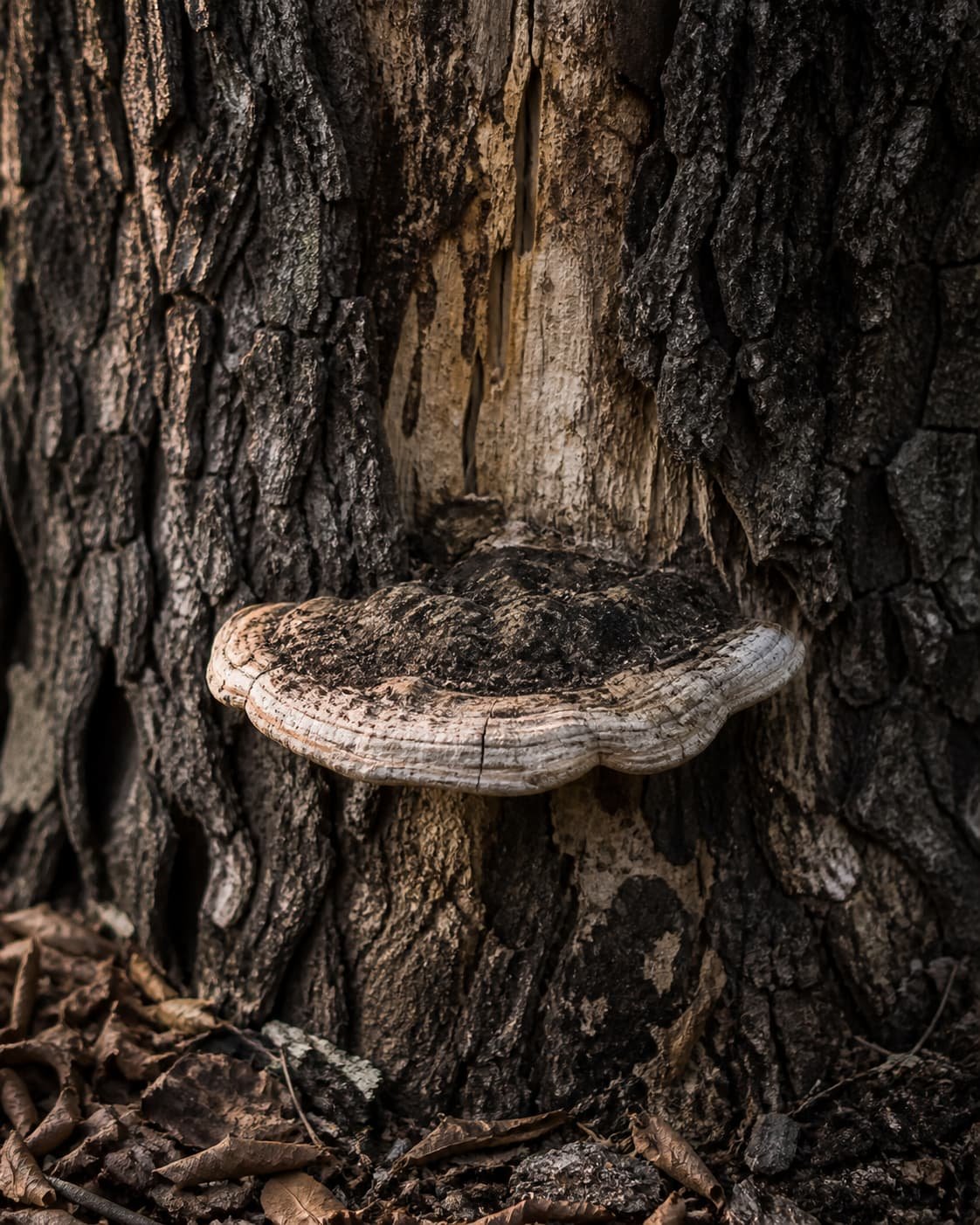
Stump grinding Lexington KY homeowners defer more often than any other tree service — and it’s the one that causes the most ongoing problems when left undone. The stump looks harmless enough after the tree is gone. It’s below trip height, out of the main lawn area, and the immediate hazard has been dealt with. But old stumps create real, compounding problems over time, and the cost of grinding them out is modest compared to the issues they generate if left in place.
Pest Harborage
Decaying wood is prime habitat for termites, carpenter ants, and wood-boring beetles. In Lexington’s humid continental climate — warm, wet summers with high ambient moisture — the conditions for fungal decay and insect colonisation are present for most of the year. A rotting stump in your yard is a standing invitation, and once termites or carpenter ants establish in decaying wood near a structure, they spread. Pest companies regularly trace interior infestations back to decaying stumps within 20 to 30 feet of a home’s foundation. The cost of a stump grinding is a fraction of the cost of a termite treatment — let alone the structural repairs that follow a serious infestation.
The stump doesn’t need to be visibly rotting to be attractive to insects. Even a freshly cut stump begins the decay process within weeks in Lexington’s summer conditions, and the root system radiating out from the base provides additional colonisation habitat that extends well beyond the visible stump surface.
Persistent Regrowth
Lexington’s dominant hardwood species — white oak, red maple, sweet gum, and tulip poplar — all have the capacity to send up vigorous sprouts from cut stumps and root systems. This regrowth is faster-growing than the original tree, visually untidy, and will continue indefinitely if the root crown isn’t removed. Each time you cut the sprouts back, the stump responds with more — it’s still alive and will keep trying to grow. The only way to stop the cycle is to grind out the root crown below grade. Surface herbicide treatments slow regrowth but don’t eliminate it reliably on established hardwood stumps.
Lawn and Landscape Use
A stump limits what you can do with that area of your yard. Mowing around it is awkward and time-consuming. Planting over it is impractical until the wood has fully decayed — a process that takes five to ten years on a dense hardwood stump in Lexington’s climate, longer for white oak. If the stump is large, it occupies a meaningful footprint in the lawn. And on any property being maintained for resale or rental, a visible stump reduces kerb appeal in a way that’s difficult to offset with other landscaping.
The Grinding Process
Stump grinding is straightforward with the right equipment. The grinder is positioned over the stump and works through the root crown in passes from the outside in, grinding to the specified depth — typically 8 to 12 inches below grade for a standard residential job, deeper where the site requires it. The process takes 20 to 60 minutes for a typical stump depending on diameter and species density. White oak and hickory stumps take longer than silver maple or sweet gum of the same diameter due to wood density.
After grinding, the cavity is backfilled with the wood chip grindings. These break down over time and improve soil structure as they do. If you want to reseed or lay turf immediately, request topsoil backfill at booking — we’ll remove the grindings and bring in topsoil instead. For stumps near driveways, patios, or footings, we take care throughout the process to avoid undermining adjacent surfaces.
Standalone or Bundled
Stump grinding can be booked as a standalone service for stumps left from previous removals, or bundled with a tree removal and completed the same day. Bundling is the more cost-effective option where a removal is already scheduled — we have the equipment on-site and can add the stump for a reduced rate compared to a separate visit.
Call Lexington Trees for a stump grinding quote anywhere in Lexington and the surrounding Central Kentucky region. For guidance on landscape restoration after stump removal, the International Society of Arboriculture provides resources on replanting and soil care after tree work.